Vibe Coding Your Startup? Here's Why You Need to Validate First
AI coding tools make it dangerously easy to build fast. That's exactly why validating your idea before touching the keyboard matters more than ever in 2025.
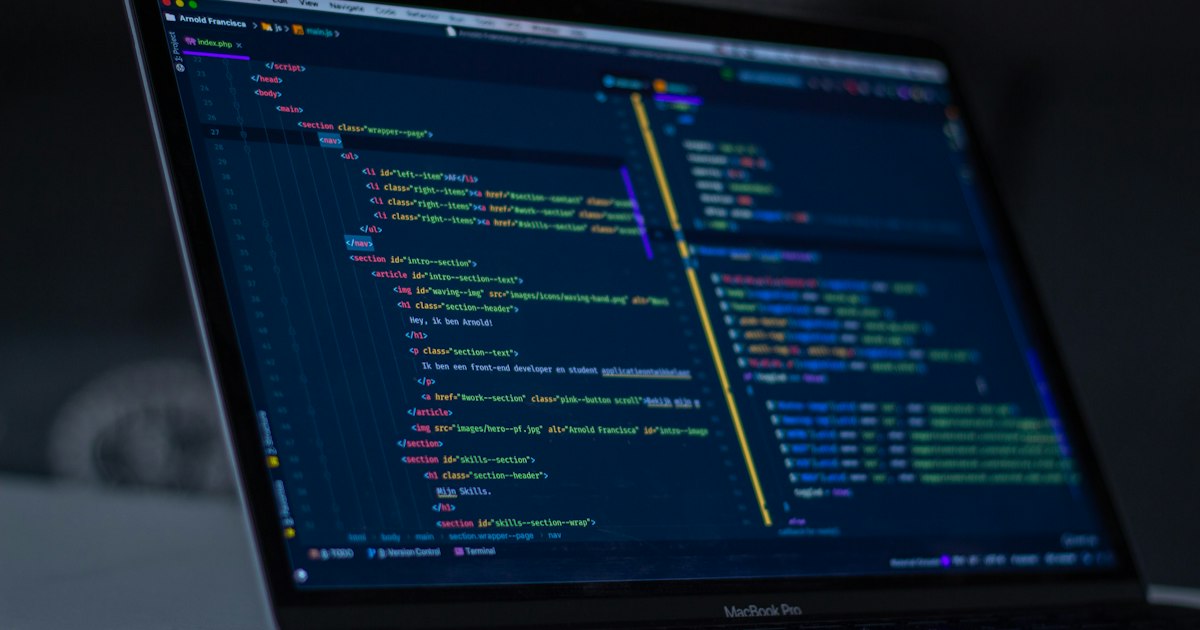
Vibe coding — using AI tools like Cursor, GitHub Copilot, or Claude to build software at unprecedented speed — has fundamentally changed what one person can ship in a weekend. A solo founder can now build in days what used to take a team of five a quarter to produce.
That's incredible. It's also a trap.
The New Founder's Dilemma
When building was hard and slow, the friction naturally forced founders to think longer about whether something was worth building. You had to justify 6 months of engineering before writing a line of code. That friction, annoying as it was, served as a forcing function for validation.
Now you can vibe-code a full SaaS product in 72 hours. The friction is gone. And with it, the natural pause that once prompted the question: should I build this?
Speed without direction is just fast failure. Vibe coding makes you faster — validation gives you direction.
What Happens When You Build Without Validating
The pattern plays out the same way every time. You have a brilliant idea. You open Cursor. Three weekends later you have a polished product. You launch. And… crickets. Maybe a hundred visitors, two sign-ups, zero paying customers.
You spent 72 hours building. Now you spend 6 months tweaking features nobody asked for, rewriting copy nobody reads, and wondering what went wrong. The AI made building cheap. Not building the right thing still costs everything.
Validation Is the New Competitive Advantage
Here's the counterintuitive truth: in a world where everyone can build fast, the founders who validate first win. Because while everyone else is racing to ship, you know exactly what to build, for whom, and why they'll pay.
Validation answers these questions before you write code:
- Is there real demand, or am I solving my own problem?
- Who is the ideal customer, and what do they actually need?
- How big is this market?
- What would make someone switch from their current solution?
- Can I acquire customers at a cost that makes the math work?
How Long Should Validation Take?
With AI-powered validation tools, you can get a comprehensive market analysis, viability score, competitor landscape, and risk assessment in under 3 minutes. That's not a replacement for talking to customers — but it's a critical first filter that tells you if the idea is worth pursuing before you book those customer interviews.
A complete validation process — AI analysis, 15–20 customer conversations, a landing page test — should take one to two weeks. That's one to two weeks that could save you six months of building the wrong thing.
The Vibe Coder's New Workflow
The most effective vibe coders in 2025 follow a simple sequence: validate first, then build with AI assistance. Run your idea through a validation tool. Get your viability score. Identify the top risks. Run five customer interviews focused on those risks. Then — and only then — open your IDE and vibe code with confidence.
Building fast is a superpower. Knowing what to build fast is the superpower multiplier.
Written by
VibNFlow Team
The VibNFlow team helps founders validate startup ideas faster with AI-powered market analysis, viability scoring, and tamper-proof validation certificates.
Validate your startup idea in 120 seconds
Get an AI-powered viability score, market analysis, competitor map, and tamper-proof certificate — free to start.
Validate My Idea Free

